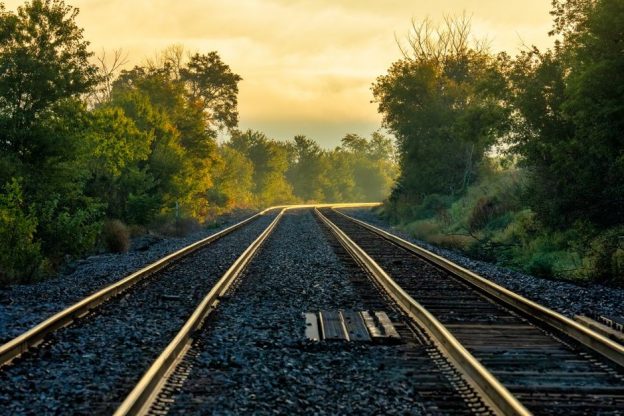
Railroads, the backbone of modern transport, link cities, industries, and cultures across continents. This guide traces their evolution from early steam to electrified -speed lines, explains key terms like gauge and rolling stock, and highlights global networks shaping economies and societies.
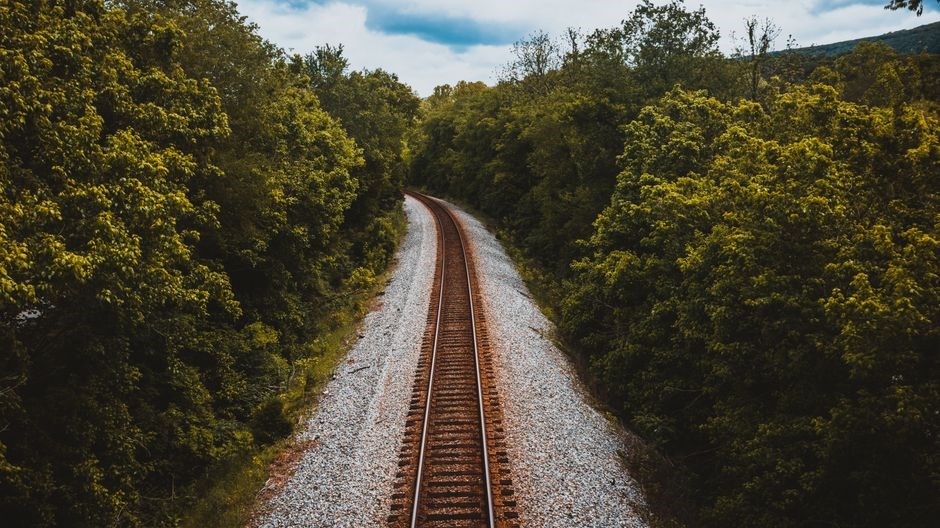
Historical Development of Rail Transport
From the 19th‑century steam pioneers to today’s high‑speed electric corridors, rail transport evolved through technological leaps, regulatory shifts, and global wars. Each era reshaped infrastructure, economics, and daily life, forging a network that still moves billions annually. Railways go.
Early Steam Era

In the early 19th century, the advent of the steam locomotive revolutionized land travel, replacing horse‑drawn carriages with iron‑clad engines that could haul heavy freight and passengers across vast distances. The first practical railway, the Stockton‑ and Darlington line in England (1825), showcased the potential of steam power, inspiring rapid expansion across Britain and Europe. Engineers like George Stephenson and Robert Eliott refined locomotive design, improving boiler efficiency and wheel arrangements, while the standard gauge of 4 ft 8½ in became a de facto norm, facilitating interoperability between different companies.
By the 1830s, the United States had embraced the steam era, constructing the Baltimore‑ and Ohio Railroad, the first trans‑national line, which spurred economic growth and westward expansion. Railroads became critical during the American Civil War, enabling rapid troop movements and supply logistics, proving that rail infrastructure could be a decisive strategic asset. In the same period, the French railway network expanded under the direction of the Ministry of Public Works, integrating industrial centers and fostering national unity.
The steam era also introduced standardized timetables, signaling systems, and safety protocols, laying the groundwork for modern railway operations. While early locomotives were limited by coal consumption and mechanical reliability, their success demonstrated that rail transport could outpace road and maritime alternatives in speed and capacity. The era’s legacy endures in the continued use of steam‑powered heritage lines and the foundational engineering principles that guide contemporary rail systems.
Electrification and Modernization
In the late 19th and early 20th centuries, railways transitioned from steam to electric traction, driven by the need for higher speeds, lower operating costs, and reduced pollution and freight for all
Early experiments in Germany and France introduced third‑rail and overhead catenary systems, while the United States adopted 25 kV AC in the 1930s for its main lines.
Electric locomotives offered instant torque, enabling rapid acceleration and efficient freight handling, especially on steep gradients.
The electrification of the Paris‑Rivoli line in 1900 and the German Reichsbahn set voltage and insulation standards.
Modernization efforts in the mid‑20th century focused on standardizing electrification voltages, adopting automatic train control (ATC), and expanding high‑speed networks.
Japan’s Shinkansen, launched in 1964, pioneered 20 kV AC overhead lines and 320 km/h service, influencing global high‑speed design.
In Europe, the 25 kV AC standard became dominant, allowing interoperability across borders and simplifying maintenance.
Contemporary projects, such as China’s high‑speed rail, combine electrification with advanced tilting and aerodynamic technologies, achieving speeds over 350 km/h while maintaining energy efficiency.
Today, electrification remains a cornerstone of sustainable rail transport, with many countries investing in renewable‑powered substations and battery‑assisted locomotives.
Modern digital signaling, such as ETCS and CBTC, complements electrification, enabling higher capacity, safer operations and reduced headways.
The synergy between electrification and digital control continues to shape the future of rail, promising faster, cleaner, and more reliable services worldwide.
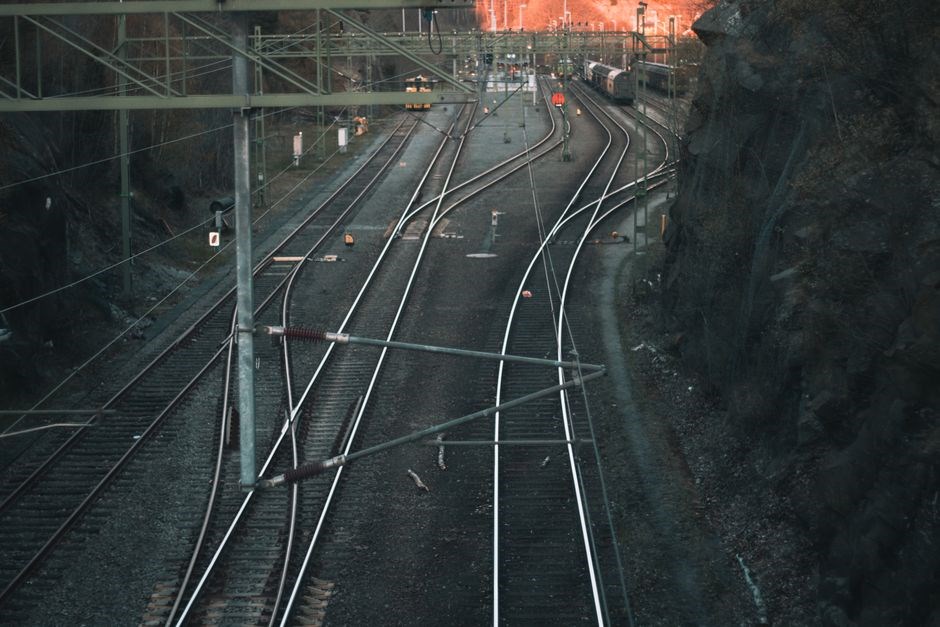
Key Railroad Terminology
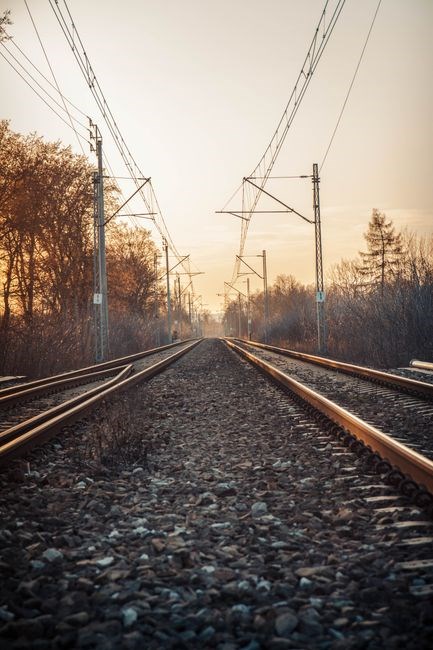
Key railroad terms include gauge, axle load, tractive effort, freight car classification, and signaling systems. Understanding these fundamentals is essential for navigating rail operations, safety protocols, and industry standards worldwide.
These terms form the lexicon of rail s.
Track Gauge and Standards
Track gauge, the distance between the inner faces of the rails, dictates rolling‑stock compatibility, load limits, and network interoperability. The global standard gauge of 1,435 mm (4 ft 8½ in) dominates, enabling seamless cross‑border freight and passenger movement. Narrow gauges, such as 1,067 mm (3 ft 6 in) or 1,000 mm (3 ft 3½ in), are preferred in mountainous or cost‑constrained areas for tighter curves and lower construction costs. Broad gauges, like 1,676 mm (5 ft 6 in) in Russia or 1,435 mm in India’s broad gauge, support higher speeds and heavier axle loads, boosting freight capacity.
Standards extend beyond gauge to encompass track geometry, rail profile, sleeper spacing, and ballast composition. Guidelines from bodies such as AASHTO and UIC harmonize design, construction, and maintenance. Track geometry—alignment, curvature, cant, and superelevation—directly affects ride quality, safety, and wear. Rail profiles like EMD 48 or UIC 60 specify cross‑sectional dimensions that balance strength, fatigue life, and dynamic performance. Sleeper spacing, typically 1.2–1.5 m, optimizes load distribution while minimizing material usage. Ballast, composed of crushed stone, provides drainage, stability, and load transfer, with strict gradation and compaction standards ensuring long‑term integrity.
Compliance with these standards is essential for interoperability, especially in global supply chains where rolling stock must traverse diverse networks. Certification processes, such as the EU’s Technical Specifications for Interoperability (TSI), enforce safety, performance, and environmental criteria. Emerging technologies—digital track monitoring, predictive maintenance, and automated train control—demand updated standards to accommodate higher speeds, increased traffic density, and electrification. Continuous collaboration among national authorities, manufacturers, and international bodies sustains a coherent framework that supports safe, efficient, and sustainable rail transport worldwide.
Railway operators also monitor gauge variations caused by thermal expansion, track settling, and maintenance activities. Precision gauge measurement tools, such as laser interferometers and electronic gauge blocks, enable real‑time adjustments, ensuring that track remains within tolerances and preventing derailments. Regular inspections, combined with predictive analytics, help maintain gauge integrity across vast networks.
Rolling Stock Classification
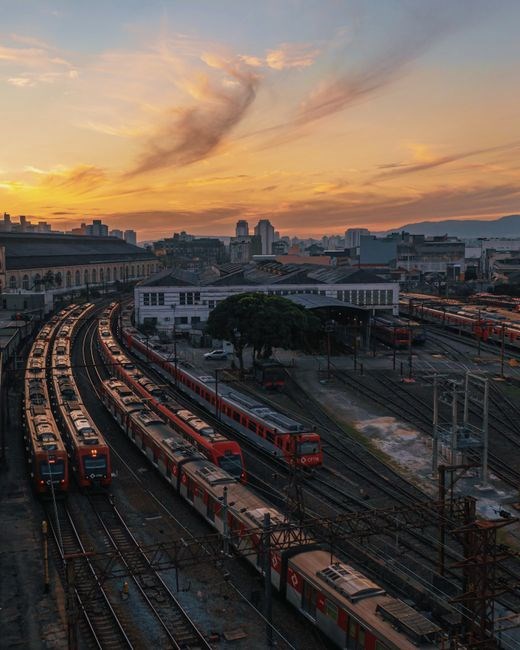
Rolling stock is grouped by function and construction. Freight cars include tank, hopper, boxcar, flatcar, and refrigerated units. Passenger cars comprise coaches, dining, sleeping, and observation cars, designed for comfort. Locomotives are classified by power source—steam, diesel‑electric, electric, or hybrid—and axle arrangement (e.g., 4-6-2, B-B, C-C). International standards, like the UIC classification, use letters to denote wheel arrangements (A for one axle, B for two, etc.) and numbers for non‑powered axles. The American Association of Railroads (AAR) system uses a similar alphanumeric scheme, adding suffixes for features like “C” for a car with a central loading door.
Regulatory bodies assign each unit a unique identification number. Freight cars receive a UIC number, while locomotives get a North American “Unit” number. These identifiers encode manufacturer, year, and serial number, facilitating traceability during inspections and incident investigations. Modern systems embed RFID tags and GPS trackers, providing real‑time data on location, temperature, and vibration; This information feeds into asset‑management platforms that optimize routing, loading, and maintenance. In high‑speed passenger services, classification also considers aerodynamic profiles, weight distribution, and braking systems to meet safety standards. The shift toward digital transformation enables predictive analytics, improving reliability and reducing downtime. Data loggedtoday!
Major Global Railroad Companies
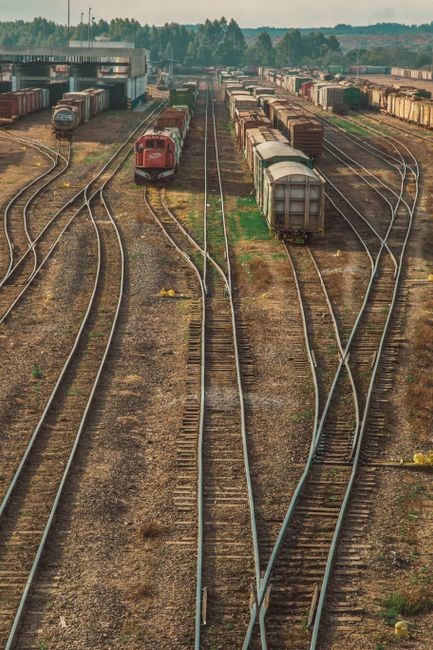
Key operators include CSX and Norfolk Southern in the U.S., Deutsche Bahn and SNCF in Europe, China Railway and Japan Freight Railway System in Asia, and Japan Railways for passenger services. operating worldwide. and shaping global freight flows. !!
North American Railroads
North America’s rail network, spanning over 140,000 miles, is a mosaic of legacy lines and modern freight corridors. The United States hosts giants such as CSX, Norfolk Southern, Union Pacific, and BNSF, each operating extensive intermodal hubs that connect the Midwest, Gulf Coast, and Pacific Northwest. Canadian freight is dominated by Canadian National and Canadian Pacific, whose transcontinental routes link Montreal to Vancouver, facilitating cross‑border trade. Mexico’s freight backbone, Ferromex, is expanding to support the growing NAFTA/USMCA economy, while the Mexican Pacific Railway serves the oil and mining sectors. In the United States, the Northeast Corridor remains a high‑density passenger corridor, operated by Amtrak and regional agencies like the Metropolitan Transportation Authority (MTA) and the Long Island Rail Road (LIRR). The Midwest’s freight arteries, such as the Chicago‑St. Louis line, are critical for agricultural exports, while the Southwest’s railroads support the energy sector. Electrification projects, like the California High Speed Rail, aim to reduce emissions and increase capacity. Modern safety systems—Positive Train Control (PTC) and Automatic Train Control (ATC)—are mandated across major carriers to prevent collisions and improve reliability. Freight cars now feature GPS tracking, real‑time diagnostics, and automated loading systems, boosting efficiency. The industry faces challenges: aging infrastructure, labor shortages, and regulatory compliance. Yet, investment in digital twins, predictive maintenance, and green technologies positions North American railroads for a resilient future, ensuring they remain vital arteries for commerce, mobility, and sustainability.
North American railroads evolve with automation, sustainability, and digital infrastructure, ensuring their vital freight and passenger role for decades.
European Rail Networks
Europe’s rail system is a dense web of high‑speed, regional, and freight lines that interconnect 44 countries. The European Union’s Trans‑European Transport Network (TEN‑T) prioritises cross‑border corridors such as the Rhine‑Meuse, North Sea, and Mediterranean routes, enabling seamless freight movement and passenger travel. High‑speed lines—like France’s TGV, Germany’s ICE, Italy’s Frecciarossa, and Spain’s AVE—link capitals in under two hours, powered by 25 kV AC electrification and advanced signalling. The Pan‑European rail corridor (PERC) integrates freight hubs in Rotterdam, Hamburg, and Milan, while the North Sea–Baltic corridor connects Scandinavia to Central Europe. Network operators such as Deutsche Bahn, SNCF, Renfe, and Trenitalia manage both passenger and freight services, often under national and EU regulatory frameworks that enforce interoperability standards (ETCS Level 2/3). Digital initiatives, the European Rail Traffic Management System (ERTMS) the European Rail Traffic Management (ERTMS) rollout, aim to replace signalling and improve safety!.
Freight operators like DB Cargo, SNCF Logistics, and DB Schenker use containerised wagons and automated loading to meet the EU’s “Freight on Rails” targets. Challenges include aging infrastructure, cross‑border regulatory harmonisation, and competition from road transport. However, investment in high‑speed electrification, green energy, and digital twin modelling is accelerating network resilience, positioning Europe as a global leader in sustainable rail transport.
Types of Railroads: Freight vs Passenger
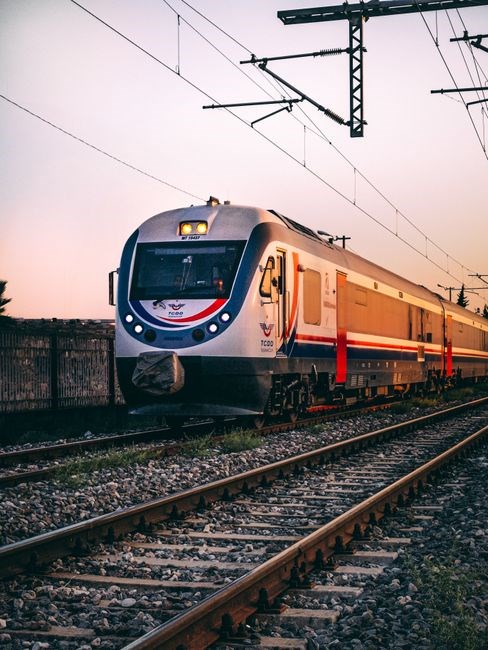
Freight railroads specialize in moving bulk commodities—coal, grain, ore, and manufactured goods—over long distances. Their rolling stock includes heavy‑laden locomotives, hopper cars, tankers, and intermodal containers, all designed for high tractive effort and durability. Freight operations prioritize yard efficiency, block scheduling, and intermodal connectivity, often running on dedicated freight corridors to avoid passenger conflicts. Passenger railroads, by contrast, focus on speed, comfort, and frequency. They employ streamlined locomotives, high‑capacity coaches, and advanced signalling to deliver timely services for commuters, regional travelers, and high‑speed long‑haul passengers. Passenger cars feature amenities such as Wi‑Fi, power outlets, and ergonomic seating, while freight cars are utilitarian and cost‑effective. The economic model differs: freight revenue is largely volume‑based and contract‑driven, whereas passenger revenue relies on fares, subsidies, and ancillary services. Safety standards also diverge; passenger lines require stricter crashworthiness and emergency evacuation protocols, while freight lines emphasize load integrity and derailment prevention. Both sectors share common infrastructure—tracks, bridges, and electrification—yet their operational philosophies, maintenance schedules, and regulatory frameworks reflect their distinct service mandates, shaping the overall efficiency of national and international rail networks. Innovation and resilience grow in sectornow.
Locomotive Technology Evolution
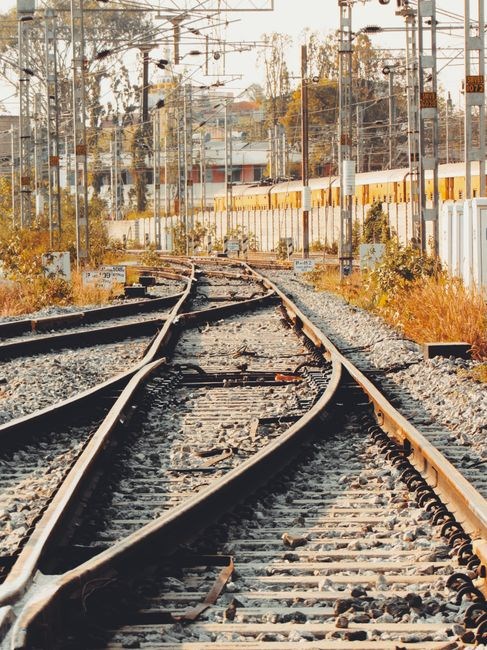
The evolution of locomotive technology reflects a relentless pursuit of power, efficiency, and sustainability. Early steam engines, introduced in the early 19th century, relied on coal‑burning boilers, piston‑driven cylinders, and mechanical linkages. Their bulky frames and low tractive effort limited speed and hauling capacity, yet they revolutionized freight and passenger movement. The late 19th and early 20th centuries saw the rise of the electric locomotive, powered by overhead catenary or third rail systems. Electrification offered cleaner, faster, and more reliable traction, especially in densely populated corridors, and introduced regenerative braking and precise control. Parallel to electric advances, diesel‑electric locomotives emerged in the 1930s, combining internal combustion engines with electric traction motors. Diesel units delivered greater flexibility, reduced infrastructure costs, and lower operating temperatures, becoming the backbone of North American freight fleets. Modern locomotives incorporate computer‑controlled microprocessors, real‑time diagnostics, and aerodynamic design, dramatically cutting fuel consumption and emissions. The shift toward electrification and alternative fuels is driven by stricter environmental regulations, rising energy costs, and the global push for decarbonization. As technology matures, locomotives are becoming more modular, with interchangeable power packs and advanced traction control systems that adapt to track conditions, enhancing safety and performance across diverse rail environments.
Digital twin technology simulates locomotive behavior under varying loads, weather, and track conditions, enabling predictive maintenance and reducing downtime. Traction control algorithms, wheel slip detection and regenerative braking optimization, improve energy efficiency. Lightweight composites in carbody construction lower mass, boosting speed and fuel economy. Autonomous shunting guided by AI streamlines freight logistics.
Rail safety hinges on layered safeguards: track geometry, signaling, crew training, and equipment standards. Modern railways employ automatic train control (ATC) systems that enforce speed limits, detect track anomalies, and trigger emergency braking. Positive train control (PTC) in North America mandates real‑time location monitoring, collision avoidance, and driver‑in‑the‑loop alerts. In Europe, the European Train Control System (ETCS) standardizes interoperability across borders, integrating continuous speed supervision and fail‑safe communication protocols. Signal integrity is maintained through fiber cable, power supplies, maintenance schedules.!! Track geometry is monitored by sensors that detect rail wear, gauge deviations, settlement, preventing derailments.!! Continuous check!and
Continuous improvement cycles, by lessons from accidents, foster mitigation resilience across rail network.!! Safety now
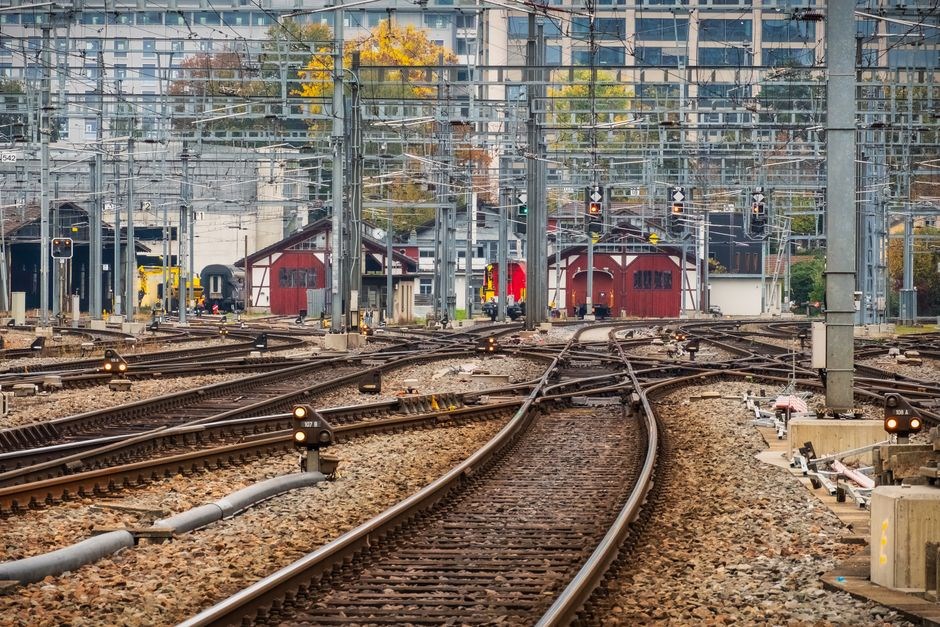
Future Trends in Rail Transport
The rail industry is accelerating toward a future where digital twins, AI‑driven predictive analytics, and autonomous operations converge to create unprecedented efficiency. Electrification continues to expand, with ultra‑high voltage lines and solid‑state transformers reducing energy losses and enabling greener freight corridors. Hydrogen fuel cells are emerging as a viable zero‑emission alternative for long‑haul routes, especially where grid power is limited, while battery‑electric locomotives are becoming standard for regional passenger services. Maglev and hyperloop concepts push speed limits beyond 600 km/h, potentially shrinking travel times between major hubs and opening new high‑capacity corridors. Integrated ticketing and real‑time passenger information systems, powered by 5G and edge computing, enhance user experience and operational efficiency by providing seamless cross‑modal connectivity. Predictive maintenance, using sensors and machine learning, can preempt failures, extending asset life and cutting downtime. Digital twins of entire networks enable planners to simulate capacity, test new signalling protocols, and optimize routing without disrupting service. Sustainability remains central: regenerative braking, renewable energy sourcing, and circular material use are embedded in new rolling stock designs. Global coordination through open data standards and interoperable signalling (ETCS, CBTC) will allow seamless cross‑border operations, fostering a truly connected rail ecosystem. Looking ahead, the convergence of digital twins, autonomous operations, and green propulsion will redefine railways as a resilient, low‑carbon backbone of global logistics and passenger mobility, ensuring economic growth while safeguarding the environment for future generations.